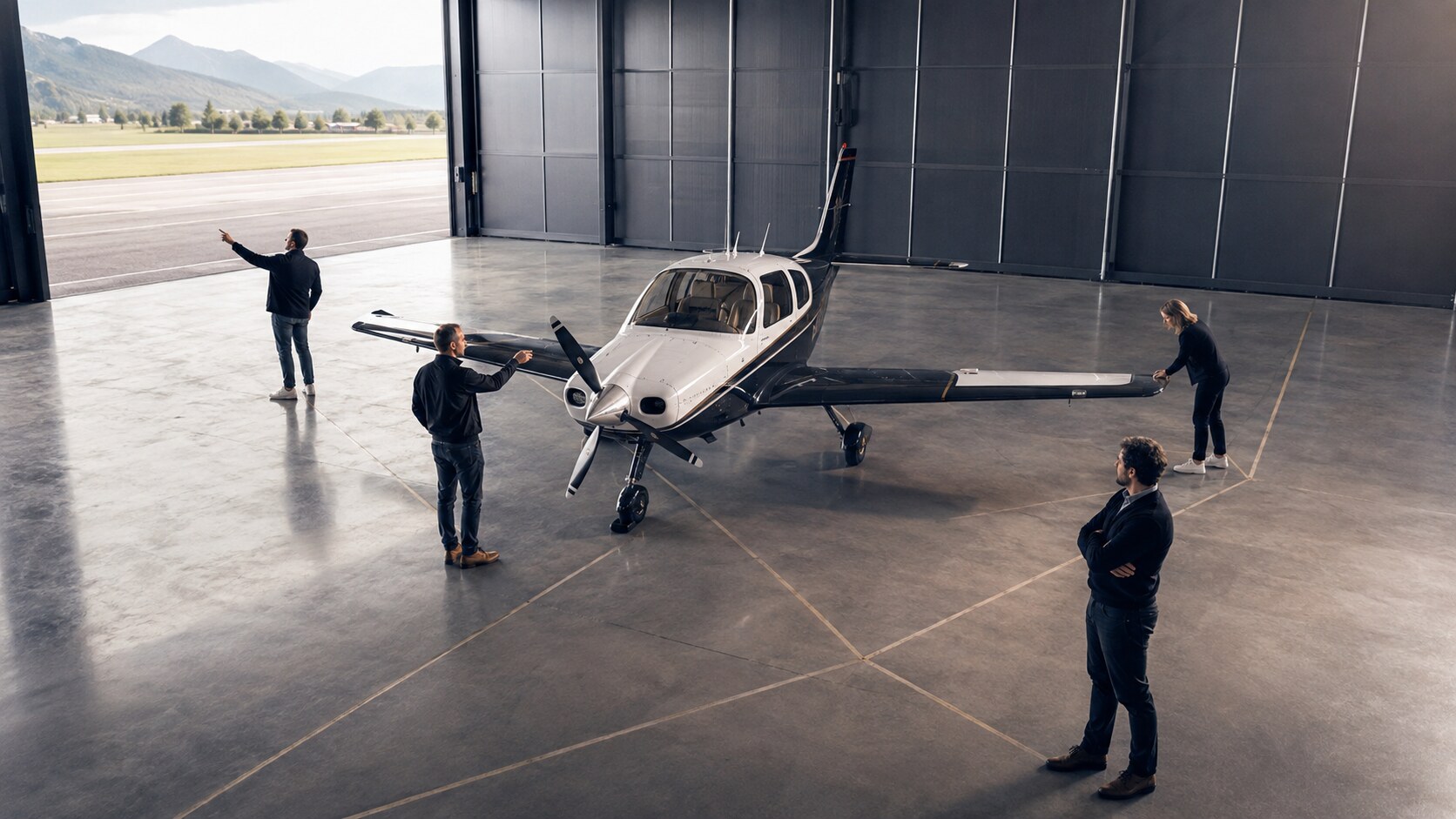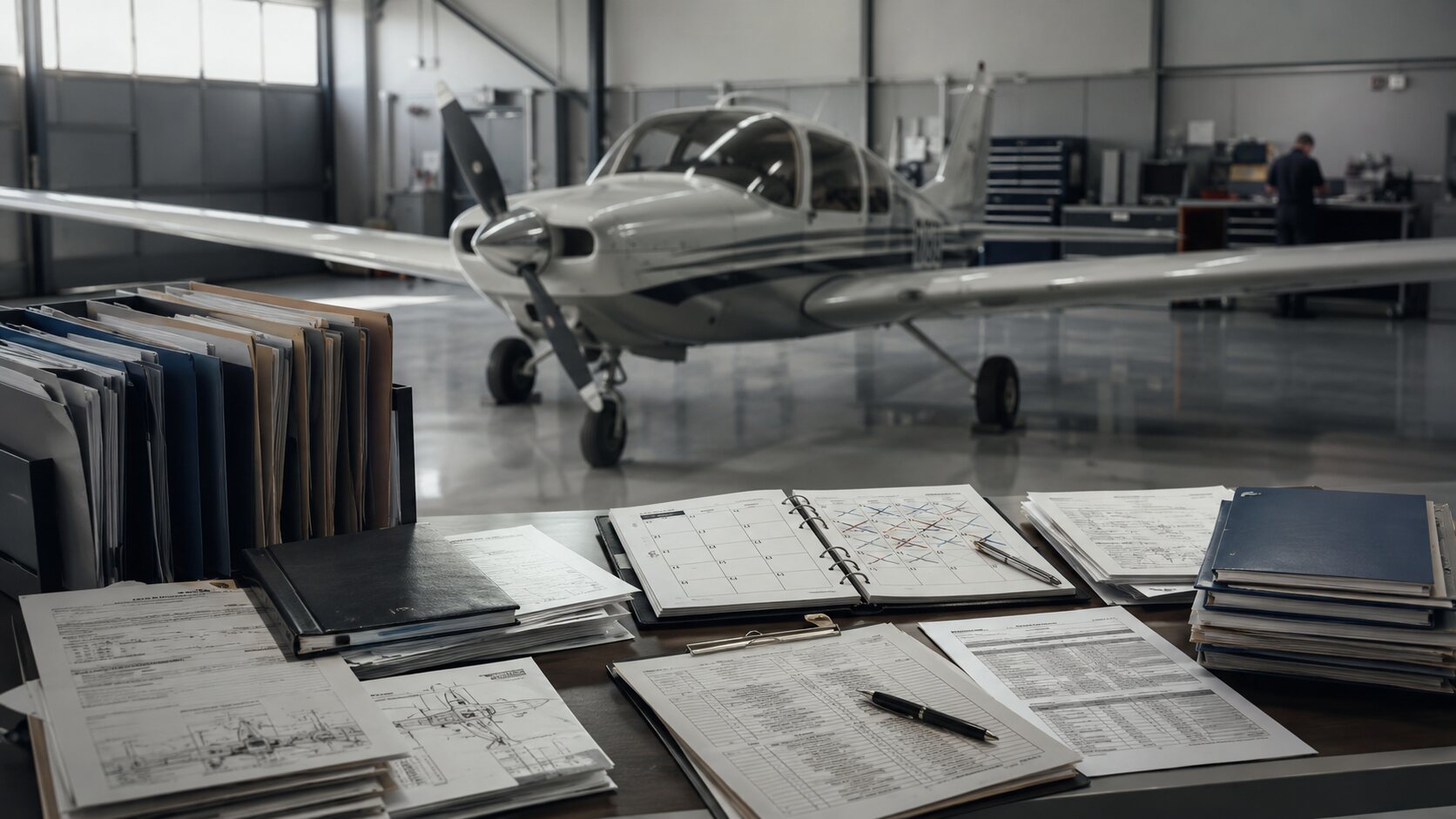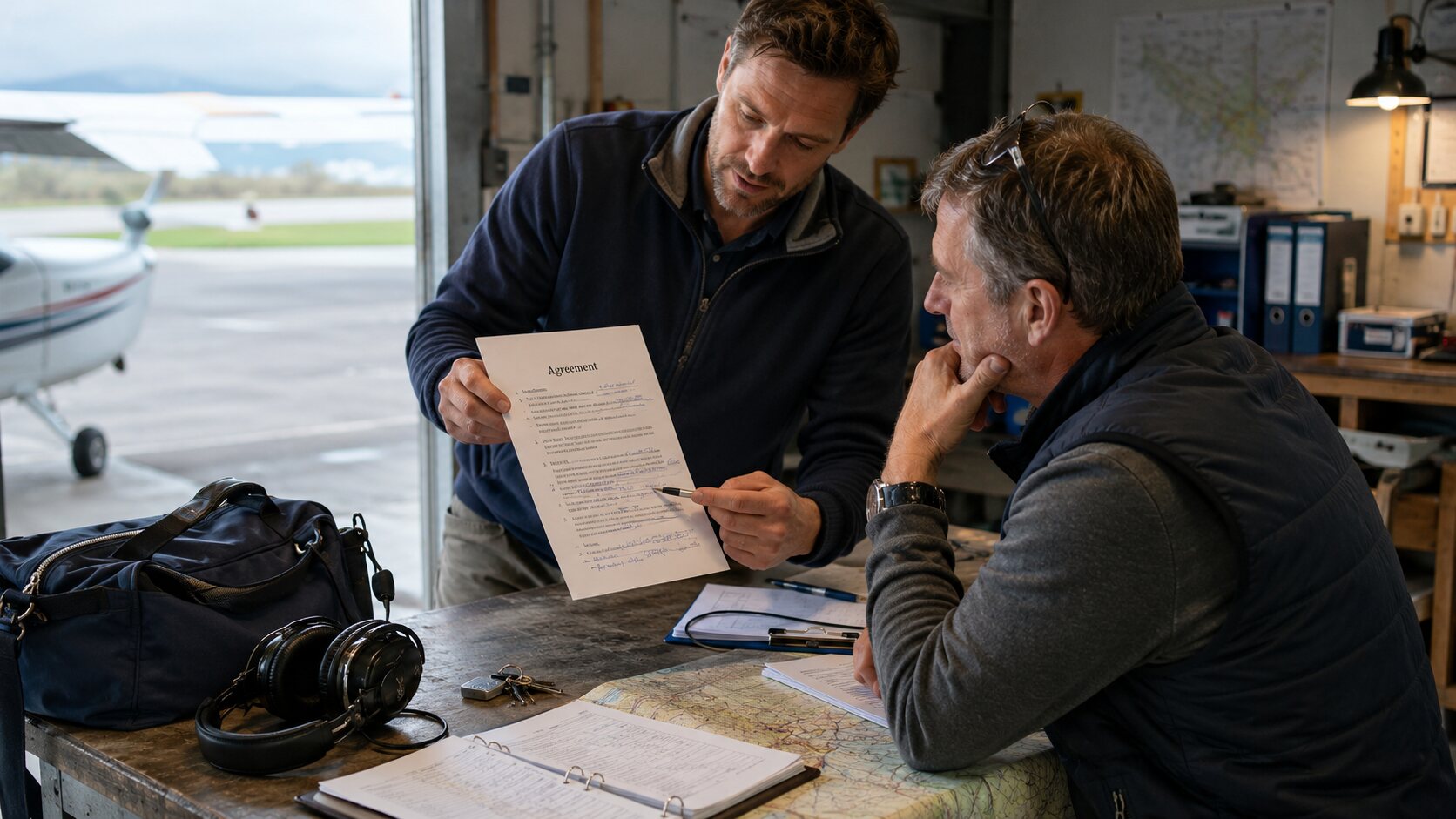
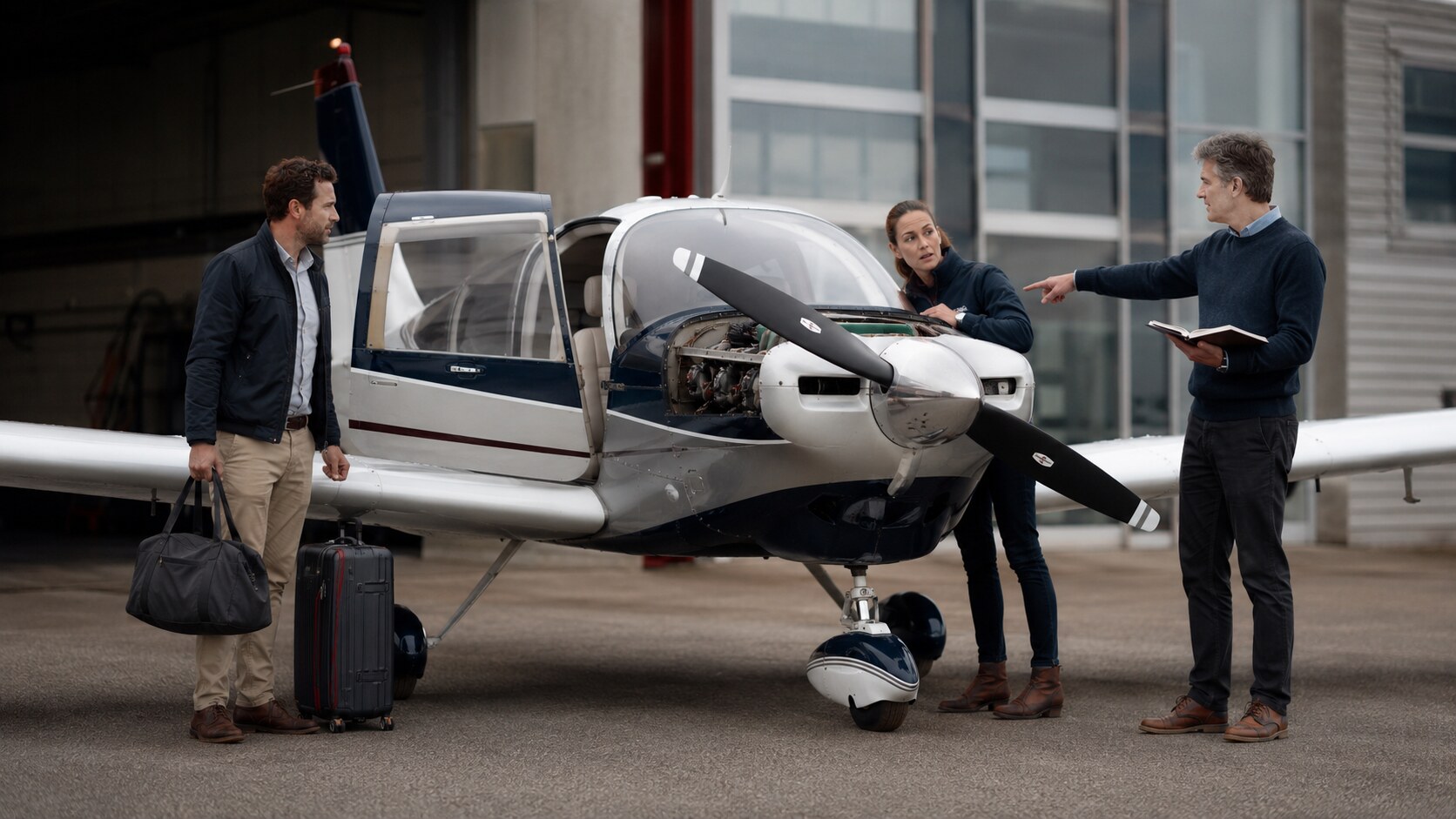
When solo ownership stops making economic sense
Hangarage, insurance, annual inspection costs, subscriptions and maintenance planning continue even when the aircraft is not flying much. At 30 to 50 hours per year, solo ownership can begin to feel inefficient.
Selling shares in an aircraft, adding co-owners, creating an aircraft syndicate, sharing aircraft ownership costs and reducing the cost of sole aircraft ownership are related objectives, but they do not necessarily produce the same legal arrangement.
Bringing in other pilots may reduce costs and increase utilisation, but it should not be treated as simply finding people to help with bills. It means choosing and documenting a shared ownership or use structure.
Invictum Aero's aircraft co-ownership service explains the structure, governance and exit points to address before admitting another owner.
Why co-ownership can be a good solution
A well-designed arrangement can split hangarage, insurance, annual inspections, maintenance reserves and subscriptions between two, three or four pilots.
For many owners, co-ownership is not about giving up the aircraft. It is about making it possible to keep the aircraft sustainably.
You are no longer the sole owner
Once others invest meaningful money, the aircraft is no longer only your aircraft. Groups fail when the original owner wants help with costs but still expects to make every key decision.
You may retain a larger share or special role, but complete control and meaningful shared investment rarely fit together.
A small non-profit operating structure
Think of the group as a small non-profit organisation whose only purpose is to own and operate one aircraft: distribute costs, manage maintenance, collect reserves, make decisions and create a practical way for members to join and leave.
- How much does each person contribute?
- Who decides on upgrades?
- How are reserves built?
- What happens if somebody stops paying or wants to leave?
- How is a replacement member approved?
Separate ownership from operation
Before inviting another pilot in, distinguish between transferring ownership and granting access. Each route can create different legal, tax, insurance, registration, control and exit consequences.
Selling a genuine ownership interest
The incoming pilot acquires a legal or economic share in the aircraft or ownership vehicle. Title, voting, capital, liabilities, valuation and exit must reflect that interest.
Providing contractual aircraft-use rights
The pilot receives agreed access without acquiring an ownership interest. The arrangement should define use, payment, responsibility, insurance, maintenance and termination and may be treated differently from co-ownership.
Retaining ownership while others contribute to costs
The original owner keeps legal title while other pilots pay operating or fixed costs. Contributions alone do not make the pilots owners, and their protection, control and exit rights may be limited unless expressly documented.
The operating rules still matter
Whichever model is used, define booking, maintenance, accounting, reserves, unexpected costs, damage, insurance, uneven use and the circumstances in which participation ends.
Build the group before the second person joins
Define the group, rights, obligations, reserve model, exit mechanism and dispute process before inviting people in. Otherwise, the structure is built around personalities rather than principles.
Choose compatible co-owners, not only additional pilots. Expectations about cleanliness, spending, upgrades, scheduling, maintenance and communication should be tested before money is accepted.
This briefing provides general information and is not legal, tax or transaction-specific advice. The appropriate structure depends on the aircraft, participants and relevant jurisdiction.